A study by Madeline Ball, Ph.D. Candidate at the University of Oregon, examines how Northwest rodent evolution and functional diversity correlate with long-term environmental and ecological shifts. By integrating unpublished or underrepresented rodent specimens from the Burke Museum into her research, Madeline aims to build a more accurate record of rodent community changes over time. Revisiting legacy collections reveals how much our understanding of animal evolution has shifted over just a few decades, and how past scientists were often right given the limited information they had at the time.
Why is this research important?
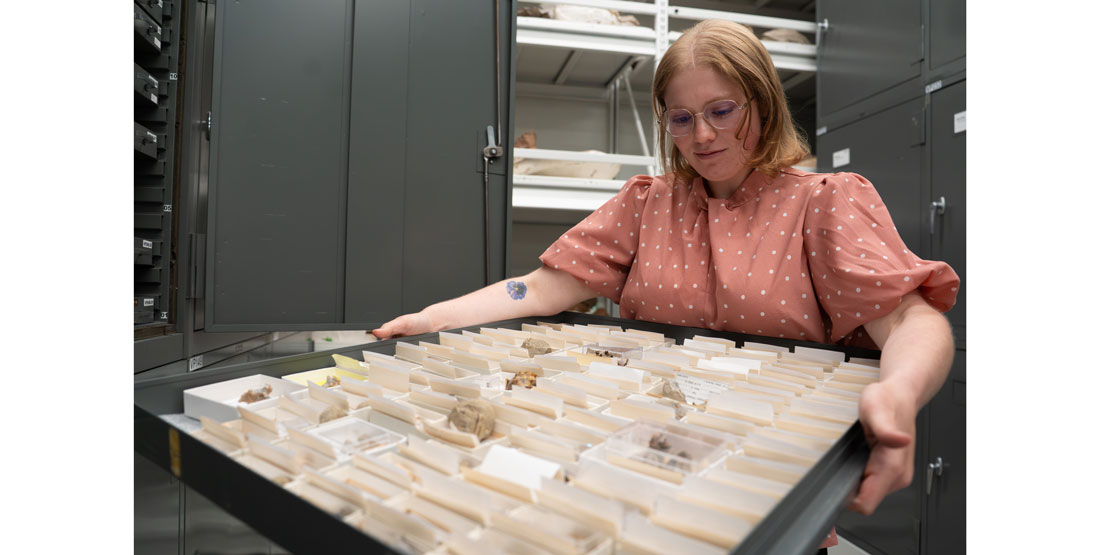
A lot of what scientists know about how mammal diversity has changed over millions of years comes from large databases that record what fossils were found and where (occurrences). But those databases are built largely from fossils that make it into a published paper. Small mammals, like rodents, tend to get left out. This is partly because they have small bones and can be tricky to spot in the field, but also because they've just gotten less attention from researchers than the bigger, flashier fossils. However, rodents can offer great insight into the factors influencing mammal diversity; they are the most diverse group of mammals, can undergo rapid evolutionary change, and are more vulnerable to local changes in their environment. Particularly in the Northwestern US, there's a lot of fossil rodent material in museum collections that's been identified and cataloged, but never published, so it goes unreported in databases. My research is about figuring out how much excluding these collections from our analyses actually influences our understanding of rodent evolution. In the process, this work should lead us to a better understanding of how rodent diversity changed during past environmental and ecological shifts, which hopefully will give us greater insight into how it may respond to the changes we're facing now.
My research is about figuring out how much excluding these collections from our analyses actually influences our understanding of rodent evolution.
What will this research contribute to the field?
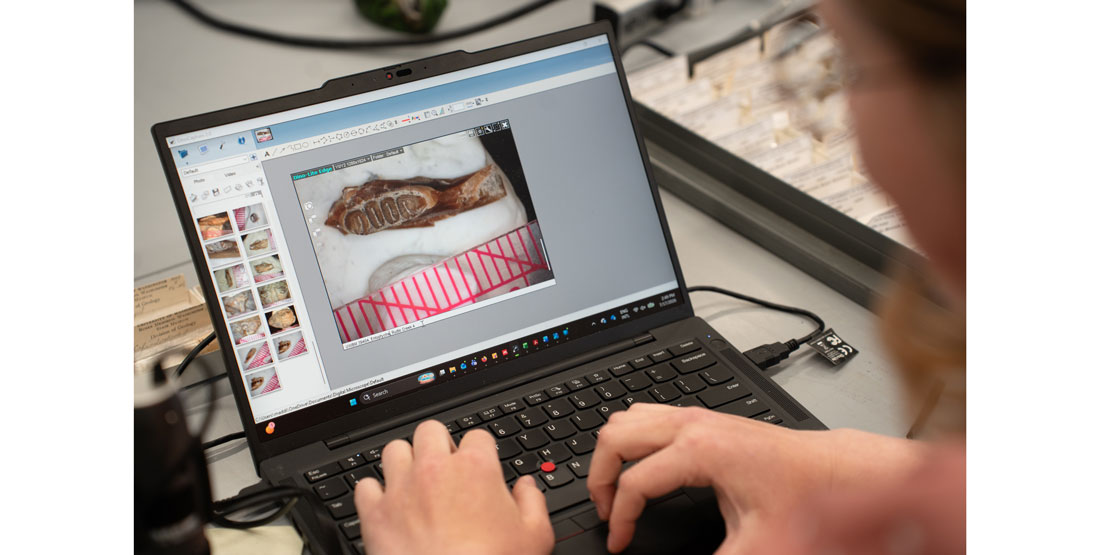
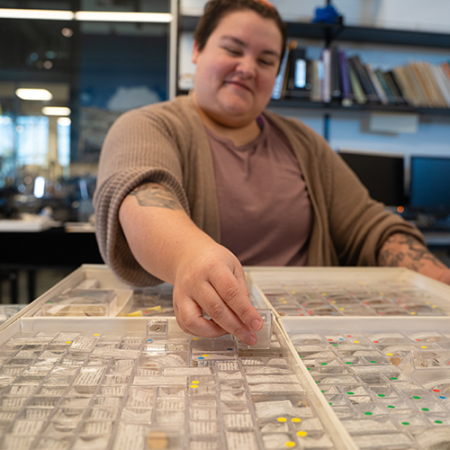
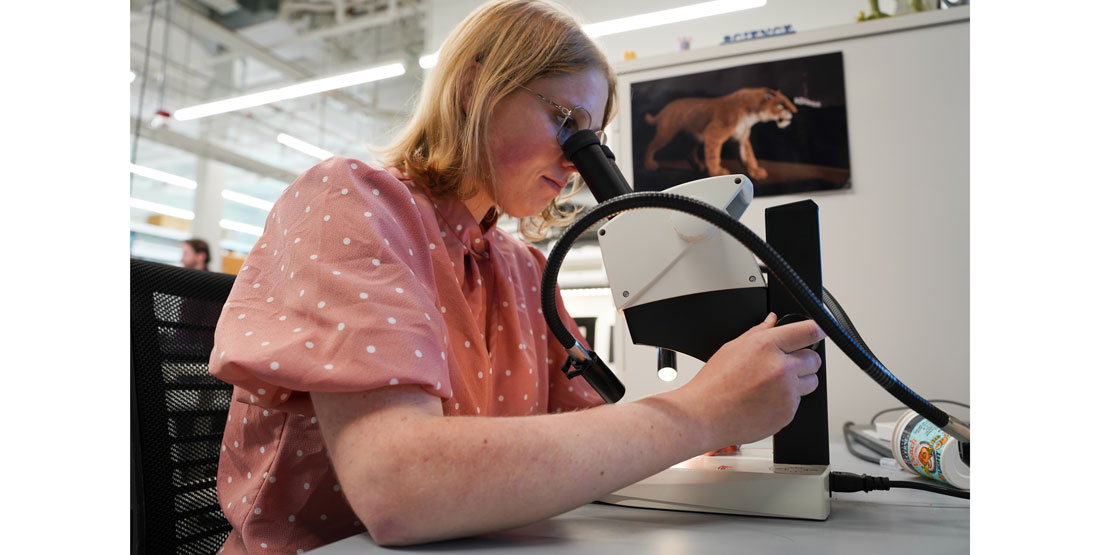
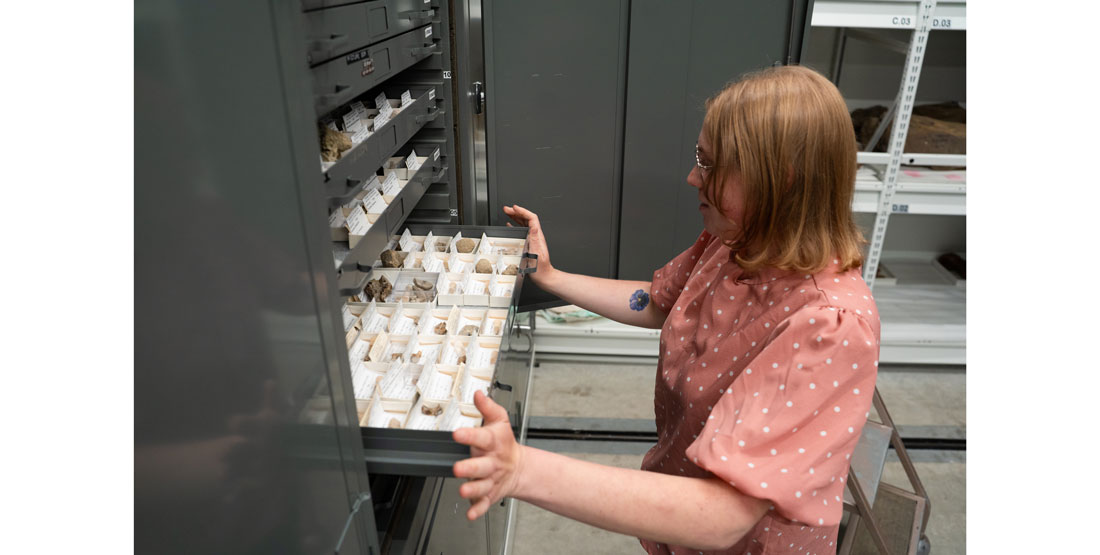
First, I'm checking how accurate museum ID labels are. That means pulling specimens out, reidentifying them, then comparing my identifications against the catalog and anything that's been published on them. This is helpful to paleontologists generally, as having up-to-date identifications can make our work easier. Second, I'm compiling a dataset of rodent occurrences sitting in museum drawers that never made it into publication-based databases scientists normally use. I'm hoping to do this across multiple regional collections, not just one museum. Put together, these should fill in a lot of the gaps left by uneven publishing effort over the decades. Some collections have been picked over by researchers for a century, while others have not. This isn't because there's nothing there to look at, but because few people have had the interest (or funding) to go look at what has already been collected in these places. That bias has made it hard to fairly compare rodent diversity across regions and through time. Once this new data is added, there should finally be enough coverage to make those comparisons.