
Search the Collection
The Mammalogy Collection database includes over 55,000 specimen records.
What’s in the Collection?
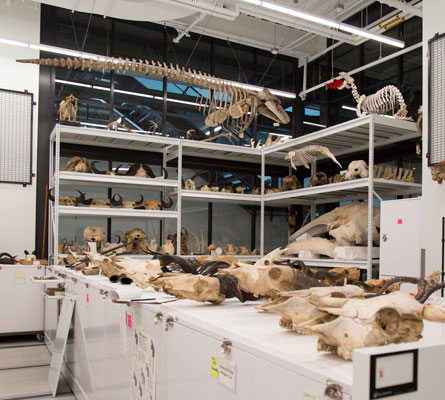
The collection includes mammal specimens from all continents except Antarctica, and it has a strong emphasis in the Pacific Northwest. Over half of our specimens are from Washington state with good representation also from Oregon, British Columbia and Alaska.
Of the 55,000 cataloged specimens in the Mammal Collection, more than:
- 29,000 include a skin (typically a study skin, but sometimes flat or live-mount skins)
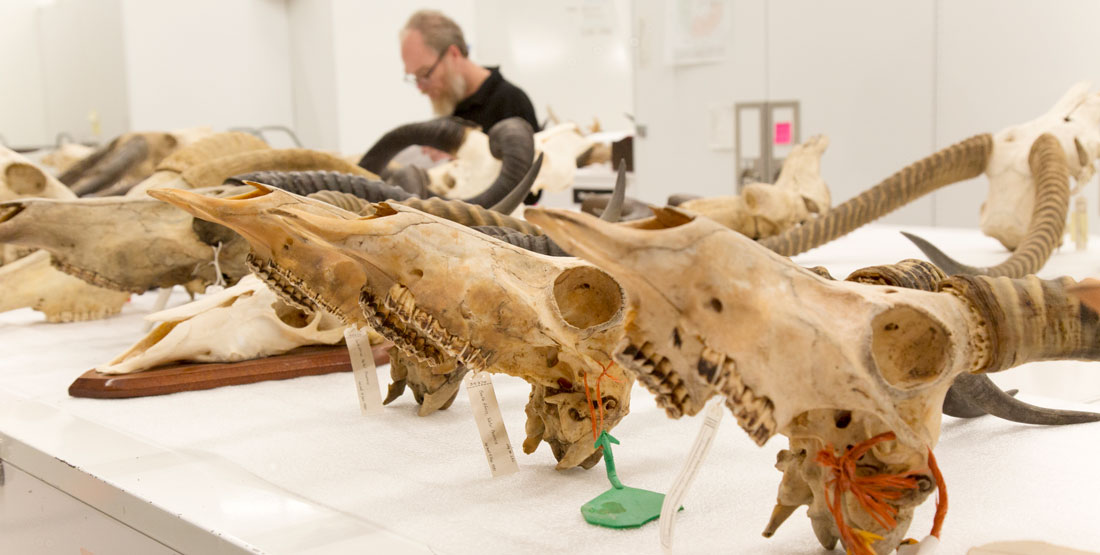
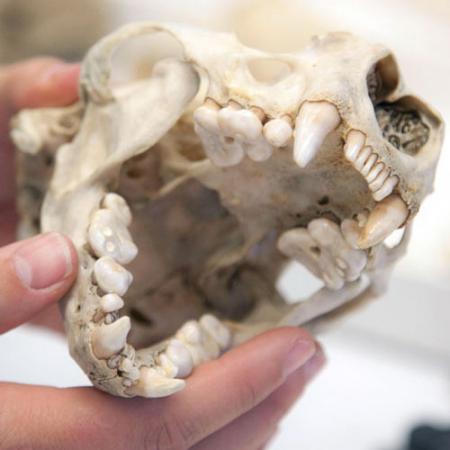
- 40,000 include a skull
- 8,000 include a complete skeleton
- 1,000 are preserved in fluid
- 9,000 have a frozen tissue sample archived in the Burke's Genetic Resources Collection
Our Research
Mammals have evolved an extraordinary diversity in form, function, and life habits, but some groups of mammals are more diverse than others.
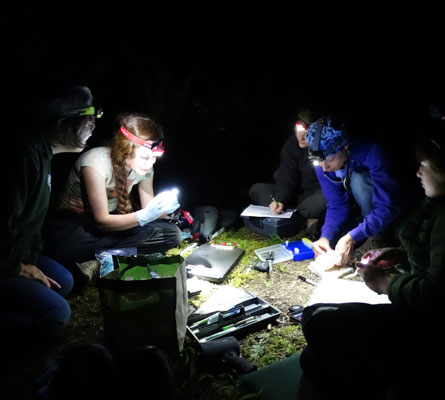
Our research is led by Dr. Sharlene Santana, Burke Museum Curator of Mammals, and focuses on understanding how disparities in mammalian diversity arise. We approach this task by doing comparative studies of the morphology, performance, behavior and ecology of mammals to gain a better understanding of the mechanisms leading to radiation.
We combine traditional and cutting-edge tools to study specimens, including micro-CT and laser scanning, dissections, 3D morphometrics, biomechanical modeling, and phylogenetic comparative methods.
University of Washington Courses
Mammalogy collections and staff play an important role in undergraduate and graduate education within the UW’s College of Arts and Sciences, and especially the Department of Biology.
More from Mammalogy
Questions & Answers
We’ve pulled together some common questions and answers related to the Burke Museum Mammalogy Collection. Do you have a question that isn’t answered in the list below? Contact us.
Can I visit the collection?
The Burke Museum is moving to a brand new facility! In order to unpack and prepare for opening, the mammalogy collections are currently closed.
We greatly appreciate the community's patience while we move our collections to their new home. The New Burke will open to the public in October 2019.
Questions? Contact us.
I’m a researcher. How do I request a specimen loan?
The Burke Mammal Collection provides loans of skins, skulls, skeletons and fluid-preserved specimens to the global nonprofit research community. For more information, view our Loan Policy (PDF) and contact us.
Can I have a mammal identified?
Yes, mammalogy staff will attempt to identify mammals or parts of mammal specimens found by researchers or members of the public.
To request specimen identification, please use the Burke's Object Identification Request Form and include one or more photographs that show the whole individual or part to be identified, ideally alongside a ruler or another object for scale.
Questions? Contact us.
How do animals arrive at the Burke?
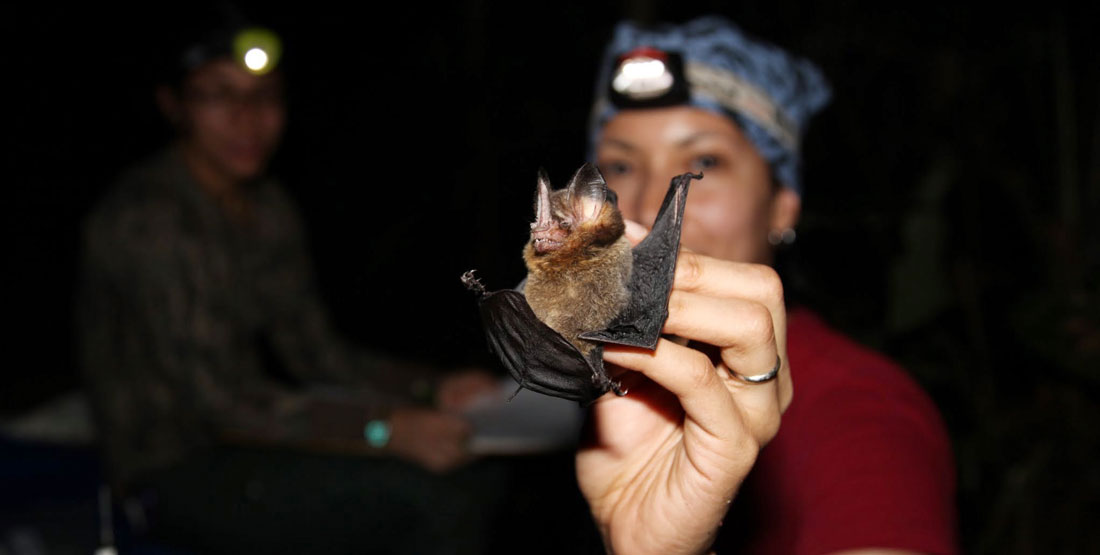
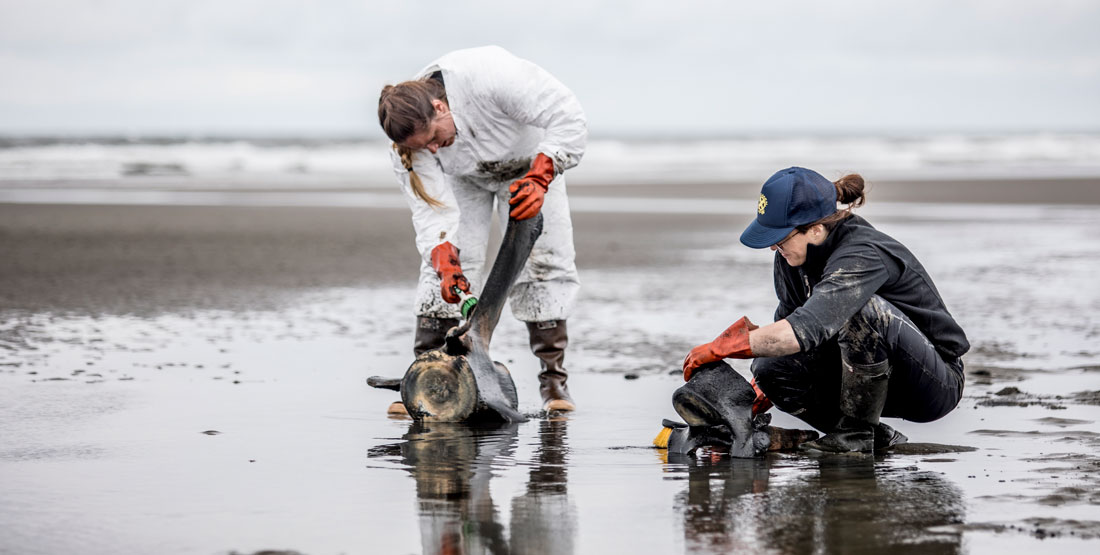
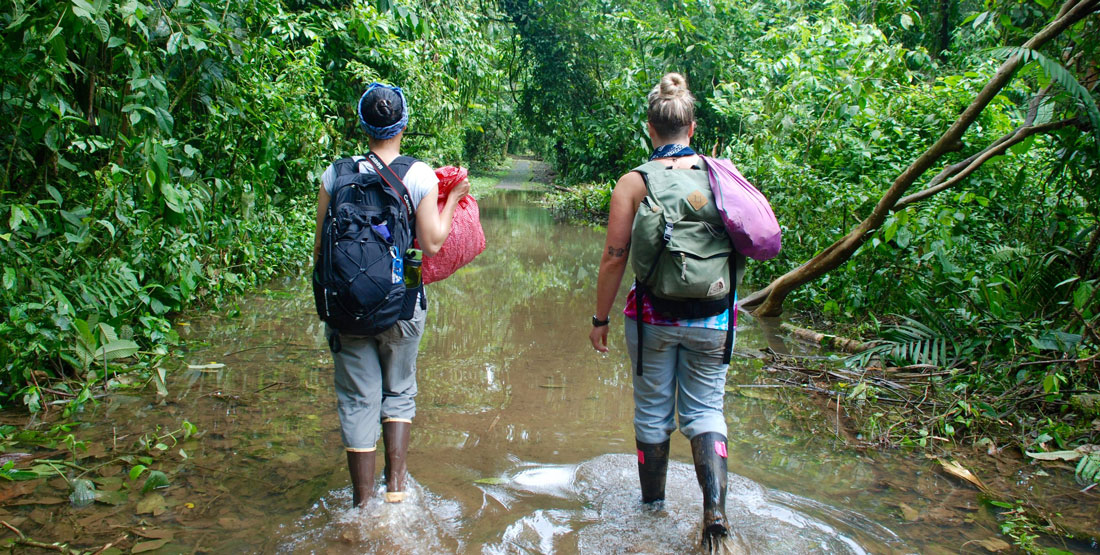
Mammal specimens arrive at the Burke from a variety of sources. Some are found dead, some are donated by U.S. Fish & Wildlife, the National Oceanic and Atmospheric Administration, local Zoos, or other wildlife organizations. Specimens are also collected by scientists during field research.
Can I donate a mammal to the collection?
The Burke Museum welcomes salvaged specimen donations under the following conditions:
- Please deliver specimens within a sealed container (i.e. plastic bag).
- Inside the container, include a note indicating the date and location found (i.e. city/town), as well as how the specimen(s) came into your possession.
- If possible, please ensure that specimens are either frozen or in otherwise good condition when delivered.
- Please note that the Burke Museum cannot accept living specimens, nor can we provide monetary appraisals for any wildlife product.
Salvaged specimens may be delivered to the Burke Museum non-public business entrance — which is located at the northeast corner of the building and can be accessed via the intercom outside the door.
Deliveries are accepted without an appointment between 8 a.m. and 4 p.m. on weekdays, though please contact Burke Mammalogy if accommodation beyond this timeframe is needed.
Can I volunteer?
We couldn’t do what we do without volunteers! Visit our Volunteer page for more information about Burke Museum volunteer opportunities and to view current openings.
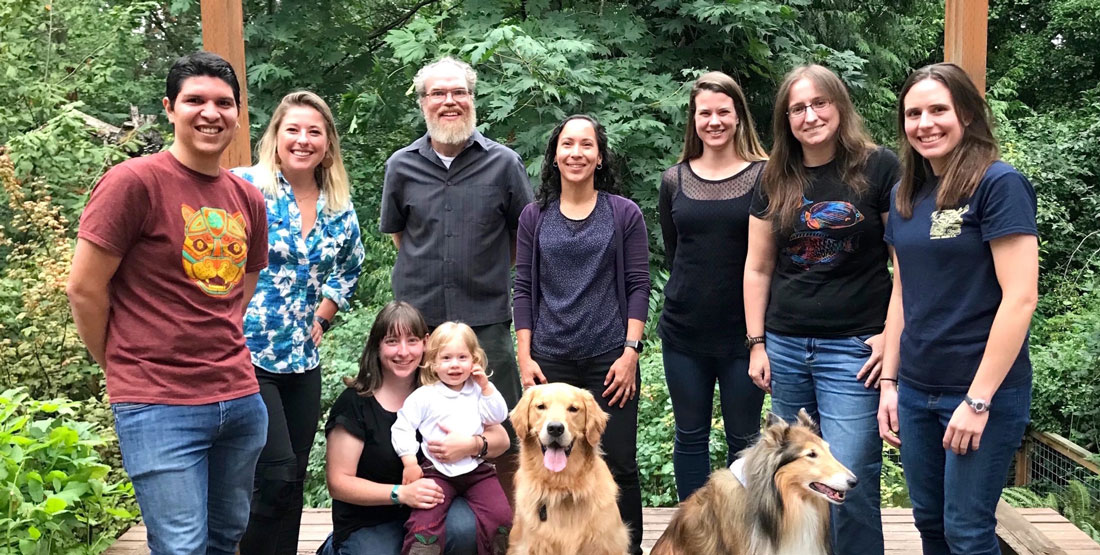
Our Team
Support Mammalogy
Your gift makes it possible! We couldn't do what we do without generous donor support for collections care, research and public outreach.